Guests aren't chasing more. They're chasing different. They're chasing less, and most hospitality brands haven't caught on.
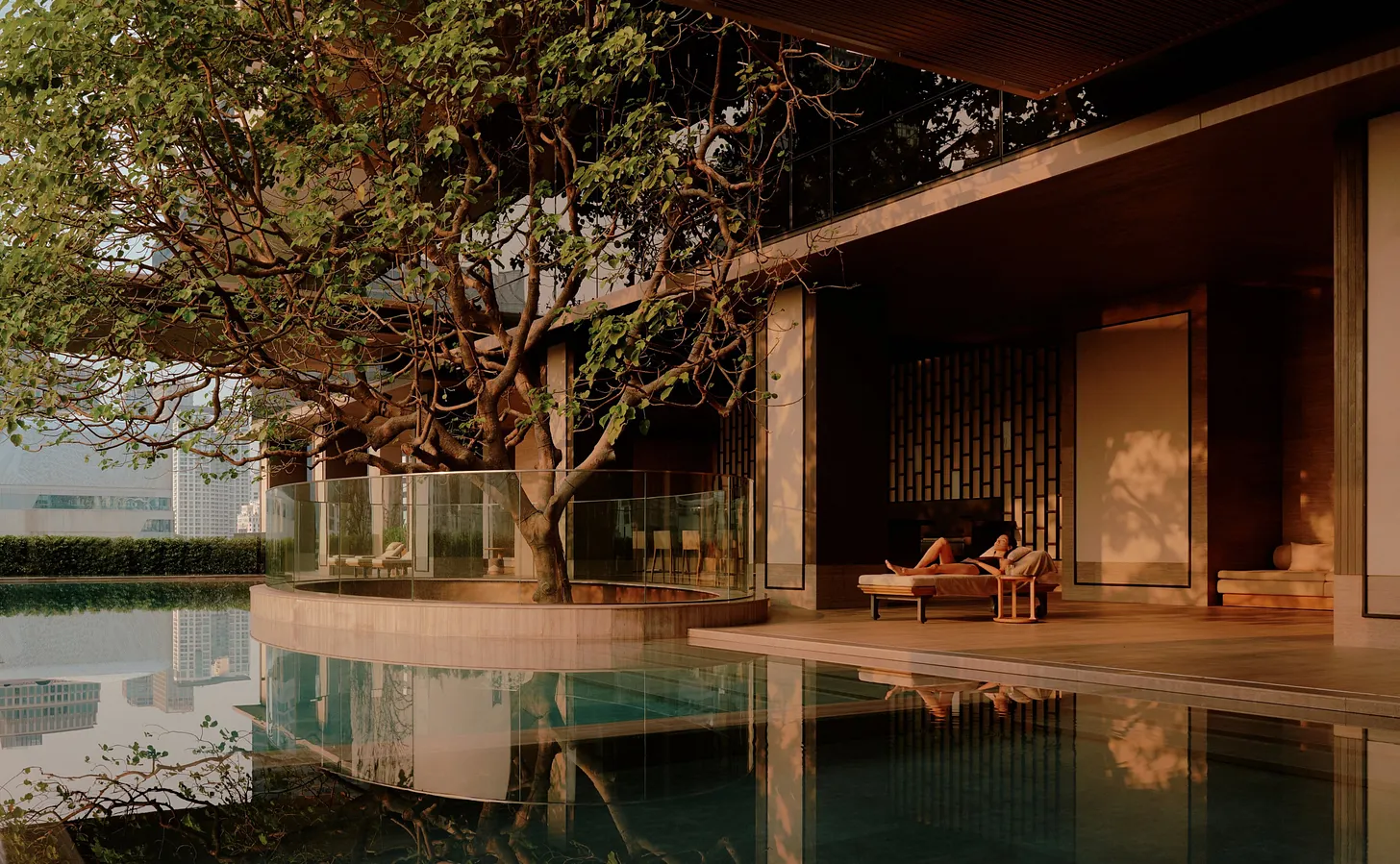
Walk into any luxury hospitality conference in 2026, and you’ll hear the same story: the market is expanding. Wealth is concentrated. Premium is the industry’s shock absorber.
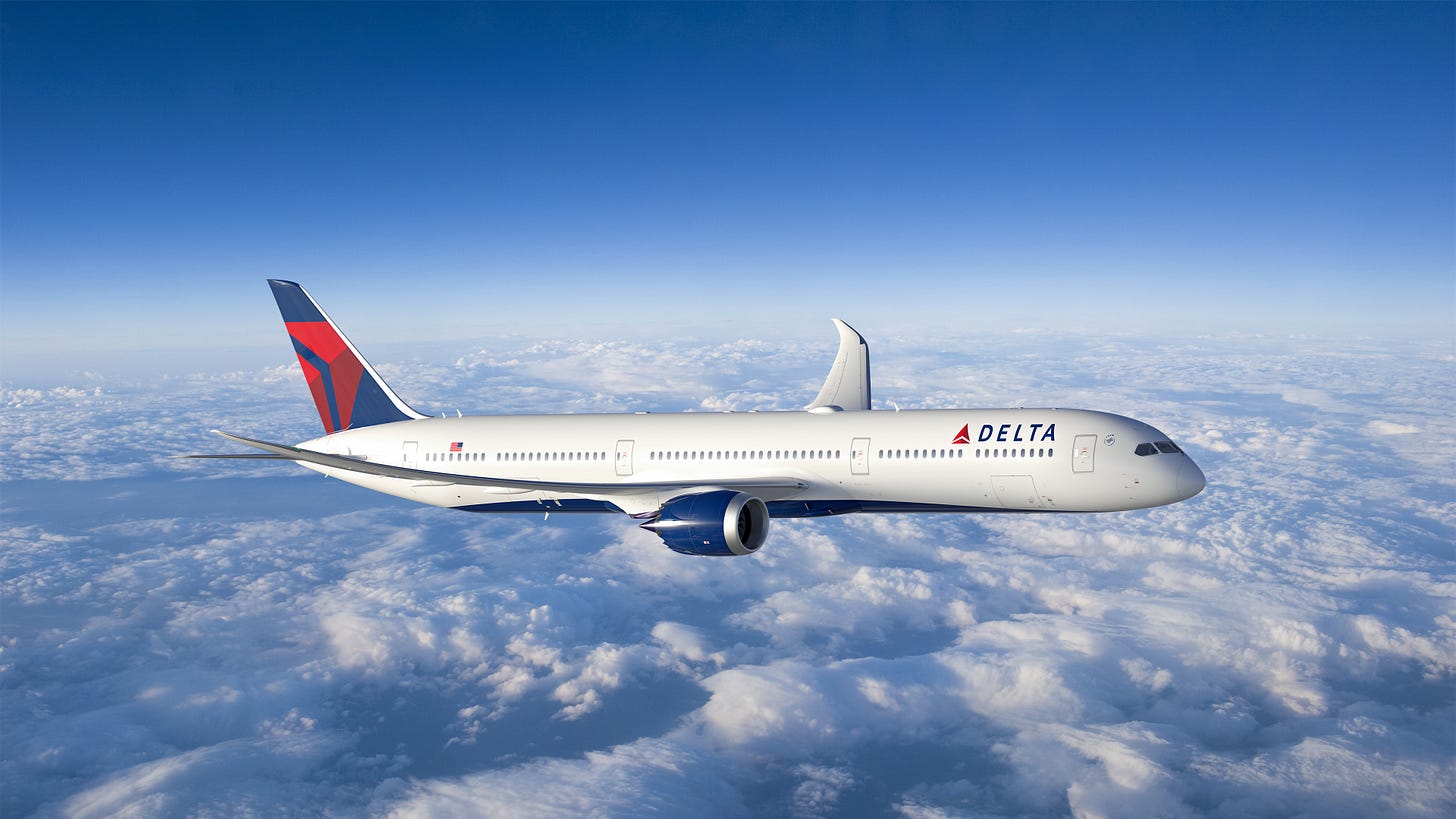
In a way, it’s true. Half of affluent travelers with at least $1 million in assets bumped their vacation budget this year (Skift, 2025). Delta Airline’s premium cabins are generating more revenue than their main cabins (Reuters, 2026). Even budget airlines are rolling out premium tiers.
1
The money isn’t the problem.
The problem is that the industry is selling the same version of luxury while the definition rewrites itself underneath.
Hilton surveyed global travelers and asked: What’s your primary motivation to travel for leisure in 2026? At 56%, the number one answer was “to rest and recharge” (Hilton, 2025). Coming in at second: spending time in nature, at 37%. Third: improving mental health, at 36% (Hilton, 2025). Not adventure. Not discovery. Not status. Rest. Recovery. Quiet.
These are not the answers that typically get turned into hospitality marketing campaigns, but they are the honest answers.
Go deeper, and the signal sharpens. 57% of U.S. travelers told Morning Consult they’d be interested in attending a quiet or silent retreat, including 53% who specifically want a reading retreat (Morning Consult, 2025). More than one in four travelers plans to travel solo this year (Hilton, 2025). Not as a declaration of independence, but as a need for actual space.
Then there’s the alcohol data, which is the most profound signal of all.
2
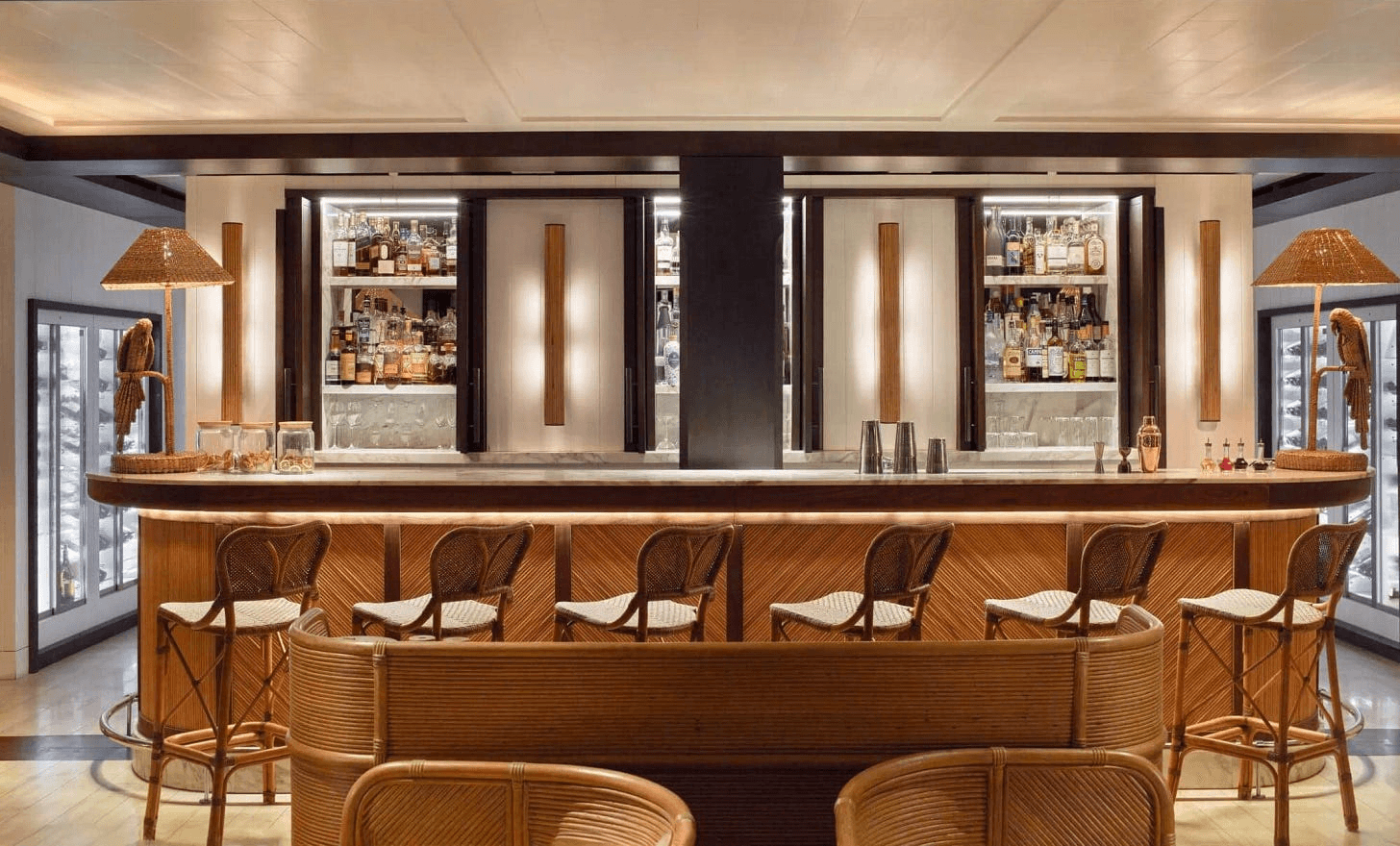
In 2025, just 54% of U.S. adults reported drinking alcohol (the lowest rate in nearly 90 years (Gallup, 2025)). 41% of global travelers planned to take a detox or alcohol-free trip (Hilton, 2026). At Tempo by Hilton, 25% of cocktails sold are now alcohol-free, yet still priced the same as the full-proof versions. “We’re not losing revenue because of it,” said the brand’s global lead (Skift, 2025).
That last detail is interesting because this isn’t about sobriety as an ethical position. It’s about clarity as a luxury. The same traveler who used to drop four figures on champagne in Saint-Tropez is now ordering the zero-proof version — still at the luxury venue, still at the luxury price point. The behavior is the same, but the substance has changed. What they’re optimizing for has changed.
This is what I mean when I say luxury went quiet. Luxury’s premium positioning is that which it’s always been, and people’s willingness to spend still holds. But the emotional need underneath of all of that… what guests are actually trying to feel… has shifted from more to less. From plethora to intention. From noise to silence.
The challenge is that hospitality marketing hasn’t caught up. The campaigns still lead with the sixth restaurant, the larger pool, the more impressive spa menu. More, rendered beautifully, with expensive music underneath.
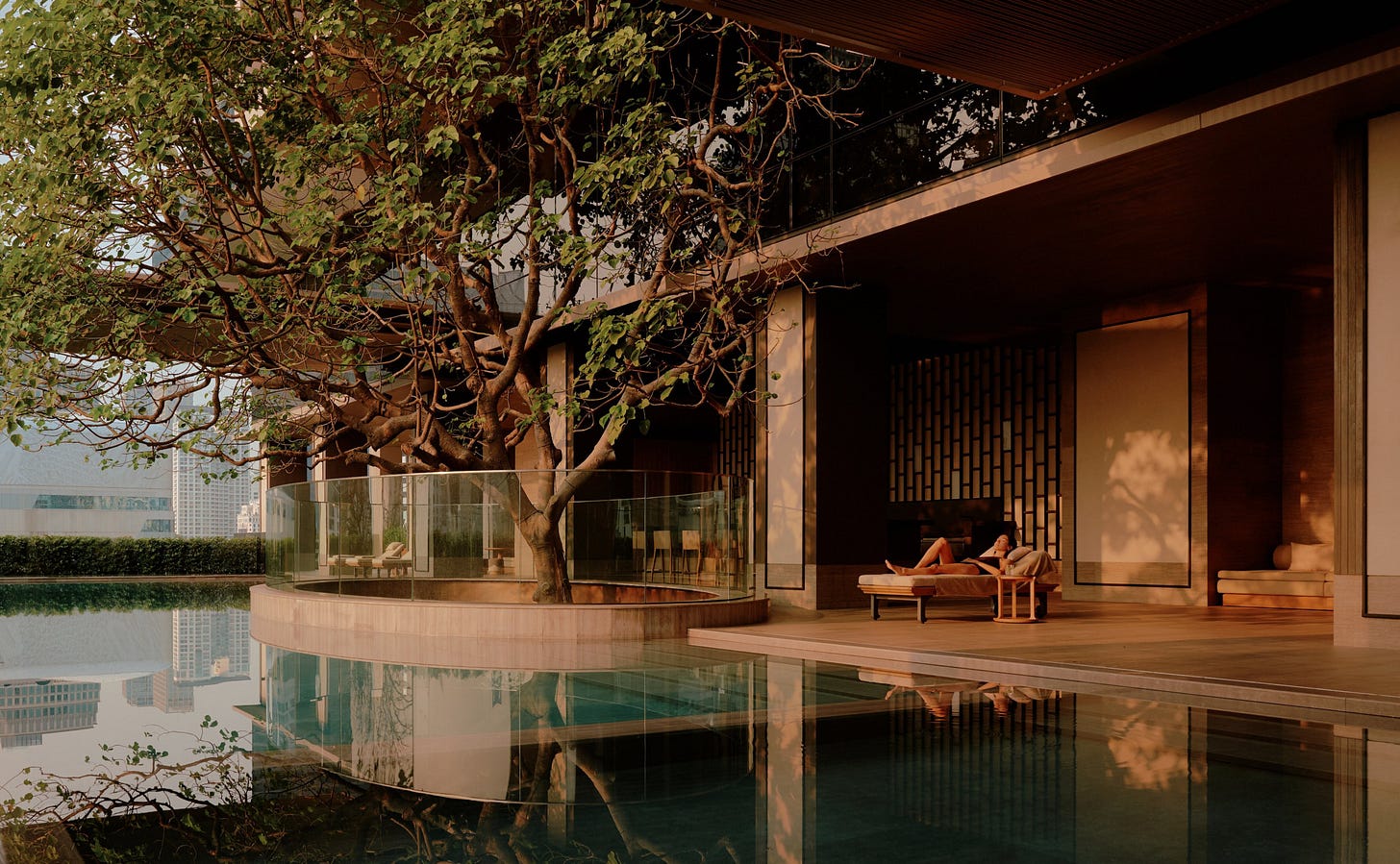
Meanwhile, the guest is asking a different question entirely: Can I actually be still here and can I belong?
3
The brands building real loyalty right now aren’t the ones with the most impressive amenity list. They’re the ones who understand what the guest is trying to feel by the time they check out. In 2026, that feeling is reset, permission to be quiet, and space to breathe.
Minor Hotels’ chief commercial officer, Ian Di Tullio, put it directly in a recent Skift interview: “Guests don’t switch off between stays. Brands need to stay connected — not as a transaction but as a relationship.” He’s describing a broader shift where non-room revenue can account for a significant share of total brand value. Think wellness, residences, curated experiences that extend the stay well beyond just the room (Skift, 2025).
The brands that understand this aren’t just adding a spa menu and calling it wellness. They’re rearchitecting the entire guest experience around who the guest is actually trying to become during their stay.
For now, the practical implication is simple: if your marketing is still primarily about what your property has, rather than how the guest feels when they’re there (and especially when they leave), you’re optimizing for a buyer behavior that’s fading.
The new luxury equation isn’t more. It’s the specific, premium absence of noise.
Sources:
Photo 1 Credits: Delta Airlines
Photo 2 Credits: Le Bar du BeefBar, Fouquet’s Saint-Barth
Photo 3 Credits: Aman Nai Lert Bangkok
“Teetotalling Travelers Are Just Saying No to Booze” - Skift, 2025
“The Luxury Bubble Will Just Get Bigger” - Skift, 2025
“Hushpitality: Seeking Sweet Silence | 2026 Hilton Trends Report” - Hilton, 2026
“Delta leans on premium flyers for 2026 growth, orders Boeing 787s” - Reuters, 2026